Printers Choice Thick Liquid Pallet Adhesive – Heavy-Duty Hold for Fleece, Hoodies & Sweatshirts
Printers Choice
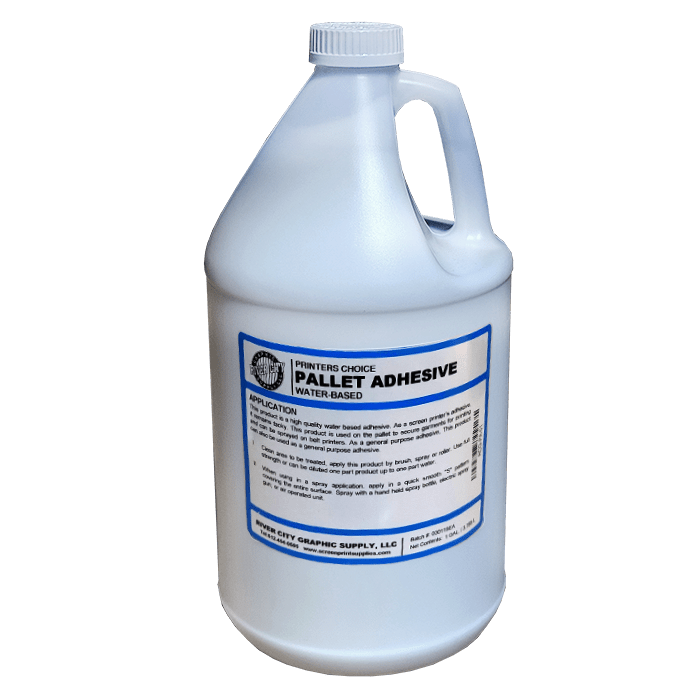
Printers Choice Thick Liquid Pallet Adhesive is a high-viscosity, water-based pressure-sensitive adhesive built for the garments that standard liquid adhesives struggle with: fleece, hoodies, sweatshirts, and other high-pile fabrics. The thick formula deposits a heavier tack layer that holds through the fiber transfer that fleece causes during printing — keeping garments locked in registration longer and requiring fewer reapplications per run. Apply by cleanup card, foam roller, or diluted spray. Flash dry under a flash dryer to activate full tack strength before loading garments. If tack drops mid-run, mist lightly with water to reactivate. Water-based: no benzene, no aerosol fumes, no overspray, water cleanup.
Price range: $34.99 through $79.99
Description
Printers Choice Thick Liquid Pallet Adhesive — Heavy-Duty Hold for Fleece, Hoodies & High-Pile Garments
Fleece is the hardest garment to hold on a pallet. The high-pile surface sheds fibers constantly, each one reducing the effective tack of whatever adhesive you’re using. Standard liquid adhesive degrades too fast. Aerosol spray works but contaminates the shop with benzene fumes and makes the fuzz problem worse by adding overspray to the mix. Printers Choice Thick Pallet Adhesive is built for this specific problem: a high-viscosity water-based adhesive that deposits a heavier tack layer, holds through more fiber transfer before recoating, and reactivates instantly with a water mist when grip starts to fade. Flash dry to activate. Mist to reactivate. Clean fuzz between shirts. No benzene, no overspray, no clogged nozzles, water cleanup.
Engineered for Fleece, Hoodies & Sweatshirts
Standard liquid pallet adhesive works well for t-shirts and light fabrics. Fleece and hoodies are a fundamentally different problem: the high-pile surface transfers fibers onto the adhesive with every garment, rapidly degrading tack. The thick formula is engineered specifically for this — a higher-viscosity deposit that maintains grip through the fiber transfer that light adhesives can’t survive.
Thick Formula = Higher Tack Deposit Per Application
Viscosity directly determines how much adhesive remains on the pallet surface after spreading. A thicker deposit means more adhesive is in contact with the garment, stronger initial grip, and longer hold per application before recoating is needed. For heavy production runs of hoodies and fleece, this translates to fewer stops, less reapplication labor, and more consistent registration across the run.
Flash Dry to Activate Full Tack Strength
This is the most commonly skipped step in liquid adhesive application — and the most important. After spreading the adhesive on the pallet, pass it under a flash dryer before loading garments. The heat evaporates the water content and activates the pressure-sensitive tack. Skipping the flash cure leaves the adhesive wet and gloppy, which soaks into garment fibers, creates a mess, and produces far weaker grip. Flash cure, then load. Every time.
Reactivate Mid-Run with Water Mist
A key advantage of water-based adhesive over aerosol alternatives: when tack drops during a run, simply mist the pallet lightly with water from a spray bottle. The moisture reactivates the pressure-sensitive chemistry without removing and reapplying the adhesive. One light mist extends the effective life of each application significantly.
No Benzene, No Overspray, No Clogged Nozzles
Aerosol pallet adhesives contain benzene and other Prop 65-listed compounds that require industrial ventilation for daily use. They also produce overspray that builds up on press arms, pallets, and floors over time — requiring solvent-based cleaning. And the nozzles clog between uses, wasting product. Thick liquid adhesive eliminates all three problems: no aerosol chemistry, no overspray, no nozzle maintenance.
Manage Fleece Fuzz to Maintain Tack
Every hoodie or fleece garment transfers fibers to the pallet adhesive surface. As fuzz accumulates, effective tack drops — regardless of adhesive brand or type. The production solution: clean fuzz from the adhesive surface regularly during the run, approximately every 1–2 hoodies for heavy fleece. A damp sponge wiped across the adhesive removes fuzz and re-exposes the tacky surface without removing the adhesive layer itself.
Pallet Tape or Pallet Mask as Base — Required
Always apply Printers Choice Thick Adhesive over pallet tape or pallet mask, not directly to the raw pallet surface. Pallet tape creates a clean, smooth base for the adhesive layer and makes cleanup between jobs straightforward: when the adhesive is spent or heavily contaminated, peel and replace the tape rather than scrubbing the pallet. Fresh tape + fresh adhesive = new surface in under a minute.
Apply Smoothly — Texture Prints Through
When spreading the adhesive across the pallet, ensure it is completely smooth and level. Any ridges, bumps, or uneven thickness in the adhesive layer will show through in the print as texture artifacts. Use the cleanup card or foam roller in one direction and check the surface before flash curing. A smooth, even adhesive bed = clean, consistent prints.
FormulaHigh Viscosity
Thicker deposit, longer hold
ReactivationWater Mist ✔
Restores tack mid-run
SetupFlash Cure Required
Activates tack, don’t skip
BenzeneNone ✔
Water-based, no aerosol
🧵 The Fleece Fuzz Problem
Fleece and hoodies constantly shed fibers. Every garment you load transfers fuzz onto the adhesive surface. As fiber builds up, effective tack drops — the adhesive no longer contacts the fabric directly, it contacts the fuzz layer. This causes garment shift during printing, registration drift, and smeared prints.
Solution: Clean fuzz from the adhesive surface every 1–2 hoodies with a damp sponge. Wipe across the surface, remove the fiber buildup, and re-expose the tacky layer. Flash lightly, then keep printing. The thick formula gives you more adhesive depth to work with before reapplication is needed.
⚡️ The Flash Cure Requirement
This is the step most printers skip the first time — and immediately regret. Water-based adhesive is not pressure-sensitive while it is still wet. You must flash cure the adhesive under a flash dryer after spreading to evaporate the water and activate the tack chemistry.
If you skip this step and load garments onto wet adhesive: the adhesive soaks into the garment fibers, the garment sticks poorly, and you end up with adhesive contamination inside the shirt. Flash cure first. Every single time. No exceptions.
3 Ways to Apply Thick Pallet Adhesive
Cleanup Card / Cardboard
Squeeze adhesive onto pallet, spread with an Ultimate Cleanup Card or cardboard scrap. Fastest method for even coverage. Produces a medium-thickness deposit.
Foam Roller
Squeeze adhesive onto pallet, roll with a small foam roller for full, even coverage. Deposits a thicker layer — preferred method for heavy fleece runs and high-volume production.
Spray Applicator
Can be diluted up to 1:1 with water and sprayed with a hand sprayer, electric spray gun, or air-operated spray system for large-area coverage.
Liquid Adhesive vs. Aerosol Spray Adhesive
| Thick Liquid Adhesive | Aerosol Spray Adhesive | |
|---|---|---|
| Benzene exposure | None ✔ | Yes — Prop 65 listed |
| Overspray | None ✔ | Builds up on press & floor |
| Clogged nozzles | Not applicable ✔ | Common — wastes product |
| Ventilation needed | Minimal ✔ | Industrial — required daily |
| Tack consistency | Flash cure + mist reactivation | Degrades; reapplication needed |
| Cleanup | Water ✔ | Solvent required |
| Fleece & hoodies | Thick formula — designed for it | Works but overspray makes fuzz worse |
How to Use Printers Choice Thick Pallet Adhesive
Step 1 — Clean the Pallet
Ensure the pallet surface is clean and free of dust, debris, or old adhesive residue before starting. A contaminated surface prevents good adhesive adhesion and causes uneven tack distribution.
Step 2 — Apply Pallet Tape or Pallet Mask
Cover the pallet with pallet tape or pallet mask. This creates a smooth, even base and makes cleanup between jobs simple — peel and replace rather than scrub.
Step 3 — Shake Well
Shake the container of Printers Choice Thick Pallet Adhesive well before use. The thick formula can settle during storage.
Step 4 — Apply to Pallet
Squeeze or pour a small amount of adhesive onto the pallet surface. Start conservatively — you can always add more, but excess adhesive is wasteful and harder to spread smoothly.
Step 5 — Spread Evenly and Smoothly
Use an Ultimate Cleanup Card, piece of cardboard, or foam roller to spread the adhesive evenly across the entire pallet surface. Cover every inch. Apply in smooth, even strokes. Any ridges or texture in the adhesive layer will print through as texture artifacts on the garment.
Step 6 — Flash Dry — Critical Step
Pass the pallet under a flash dryer before loading garments. The heat evaporates the water content and activates the pressure-sensitive tack. This step is mandatory — wet adhesive soaks into garments, creates mess, and holds poorly. Flash cure, then load. Every time.
Step 7 — Load Garment and Print
Carefully place the hoodie or sweatshirt on the pallet, pressing down firmly across the full print area. The adhesive will hold the garment in position throughout the print cycle.
Step 8 — Manage Fuzz During Run
Fleece and hoodie fibers transfer to the adhesive surface with every garment. Clean fuzz from the adhesive every 1–2 hoodies using a damp sponge wiped across the surface. This removes fiber buildup and re-exposes the tacky adhesive layer beneath.
Step 9 — Reactivate with Water Mist if Needed
If the adhesive loses tack during the run, mist the pallet lightly and evenly with a water spray bottle. Allow the adhesive to become tacky again before loading the next garment.
Step 10 — Reapply as Needed
For longer runs, reapply adhesive and spread evenly when tack can no longer be maintained by misting. After the run, clean any excess adhesive from the pallet with a cleanup card. Or simply peel and replace the pallet tape for a fresh surface.
Ready to Order?
Same-day shipping on in-stock orders before 3:30 PM CT from San Antonio, TX.
🏆 Why Order from River City Supply?
📦 Private Label Quality
Printers Choice is our in-house brand — professional-grade chemistry at a River City Supply price.
🚚 Same-Day Shipping
Orders placed before 3:30 PM CT ship same day from San Antonio, TX.
🌡️ San Antonio Advantage
South Texas location means less freeze risk than northern warehouses year-round.
🎁 Free Shipping Over $200
Free ground shipping on all qualifying orders over $200.
📞 Expert Support
Call (512) 454-0505 — we know screen printing chemistry.
⭐ 17+ Years in Business
Founded 2008. Serving screen printers nationwide for over 17 years.
More Pallet Adhesive Options:
Technical Specifications
| Printers Choice Thick Pallet Adhesive — Technical Specifications | |
|---|---|
| Product Name | Printers Choice Thick Liquid Pallet Adhesive |
| Brand | Printers Choice — River City Supply |
| SKU | RC PC Pallet Adhesive Thick |
| Type | High-viscosity water-based pressure-sensitive pallet adhesive |
| Primary Use | Securing fleece, hoodies, sweatshirts, and high-pile garments for screen printing |
| Formula | Thick, high-viscosity liquid — brushable and spreadable |
| Application | Cleanup card, foam roller, or spray applicator (dilute 1:1 with water for spray) |
| Dilution | Full strength for brush/roller; up to 1:1 with water for spray application |
| Base | Apply over pallet tape or pallet mask — do not apply directly to raw pallet |
| Flash Cure | Required — pass pallet under flash dryer after spreading to evaporate water and activate tack |
| Tack Reactivation | Mist pallet lightly with water to restore tack during a print run |
| Fuzz Management | Clean fleece fiber buildup from adhesive surface every 1–2 garments with a damp sponge |
| Chemistry | Water-based — no benzene, no aerosol propellants |
| Odor | Low odor — no harsh fumes |
| VOC | No VOCs from the adhesive itself |
| Overspray | None — brush/roller application only |
| Cleanup | Water and cleanup card; peel pallet tape to replace adhesive base |
| Manual Press | Yes |
| Automatic Press | Yes — consistent tack with flash cure setup |
| Freeze Sensitive | Protect from freezing — do not ship or store in freezing temperatures |
| Available Sizes | Quart, Gallon |
Technical Sheets / Safety Data Sheets / Documents
FREQUENTLY ASKED QUESTIONS
Why do I need a thick adhesive specifically for hoodies and fleece?
High-pile garments like fleece and hoodies constantly shed fibers onto the pallet adhesive surface. As fiber builds up, it creates a barrier between the adhesive and the garment — tack drops, garments shift, and registration drifts. The thick formula deposits a heavier adhesive layer that holds through more fiber transfer before recoating. Standard liquid adhesive, designed for t-shirts, loses grip too quickly on fleece to be practical for full hoodie runs.
Do I really have to flash dry the adhesive before printing?
Yes — this step is not optional. Water-based adhesive is not pressure-sensitive while wet. The water content must evaporate before the tack chemistry activates. If you load garments onto wet adhesive, it soaks into the fabric fibers, the shirt sticks poorly, and you contaminate the inside of the garment with adhesive. Pass the pallet under a flash dryer after spreading, allow it to become fully tacky, then load garments.
How do I deal with fleece fuzz building up on the adhesive?
Fuzz management is part of the hoodie printing workflow, not a product defect. Every fleece garment transfers fiber to the pallet. Clean it off regularly — approximately every 1–2 hoodies — using a damp sponge wiped across the adhesive surface. This removes fiber buildup and re-exposes the tacky adhesive beneath. A quick flash and you’re printing again. Using pallet mask makes this even easier: when the adhesive is heavily contaminated, peel and replace.
How do I reactivate the adhesive when it loses tack mid-run?
Mist the pallet lightly and evenly with a water spray bottle. The moisture reactivates the pressure-sensitive chemistry. Allow it to become tacky again before loading the next garment. This reactivation capability is a key advantage over aerosol adhesives, which require full reapplication when tack drops.
What’s the best way to apply it — card, roller, or spray?
Cleanup card is the most common method: squeeze adhesive onto the pallet and spread with a card or cardboard. Fast, easy, minimal equipment. Foam roller deposits a thicker layer and is better for heavy fleece production runs where you need maximum hold per application. Spray (diluted 1:1 with water) works for large pallet areas. All three methods require the same flash cure step after application.
Should I apply it directly to the pallet or use pallet tape?
Always use pallet tape or pallet mask as a base. Applying directly to the raw pallet surface makes cleanup difficult — you’ll need to scrub adhesive off the pallet between jobs. With pallet tape, when the adhesive is spent or contaminated, simply peel the tape and apply a fresh piece. New surface in under a minute, no scrubbing required.
Is this safe to use without industrial ventilation?
Yes. Printers Choice Thick Pallet Adhesive is water-based and contains no aerosol propellants. Aerosol spray adhesives contain benzene and other compounds that require industrial ventilation for daily use. The liquid formula produces no aerosol and no chemical fumes from the adhesive itself. Standard shop ventilation is sufficient.
Does it work on automatic presses?
Yes. Apply the thick adhesive to all pallets using your standard brush or roller method, flash cure each pallet before the run begins, and the consistent tack holds garments through the full automatic press cycle. The water mist reactivation feature is especially useful on auto presses — a quick mist between batches restores tack without stopping the press to reapply.
Questions about pallet adhesive for hoodie and fleece printing?
Call (512) 454-0505 or email [email protected]. We can help you choose the right adhesive solution for your press and garment mix.
Reviews
Only logged in customers who have purchased this product may leave a review.


Reviews